Worm Bins, Small Roles, and a 57% Diversion Rate
Oct 07, 2026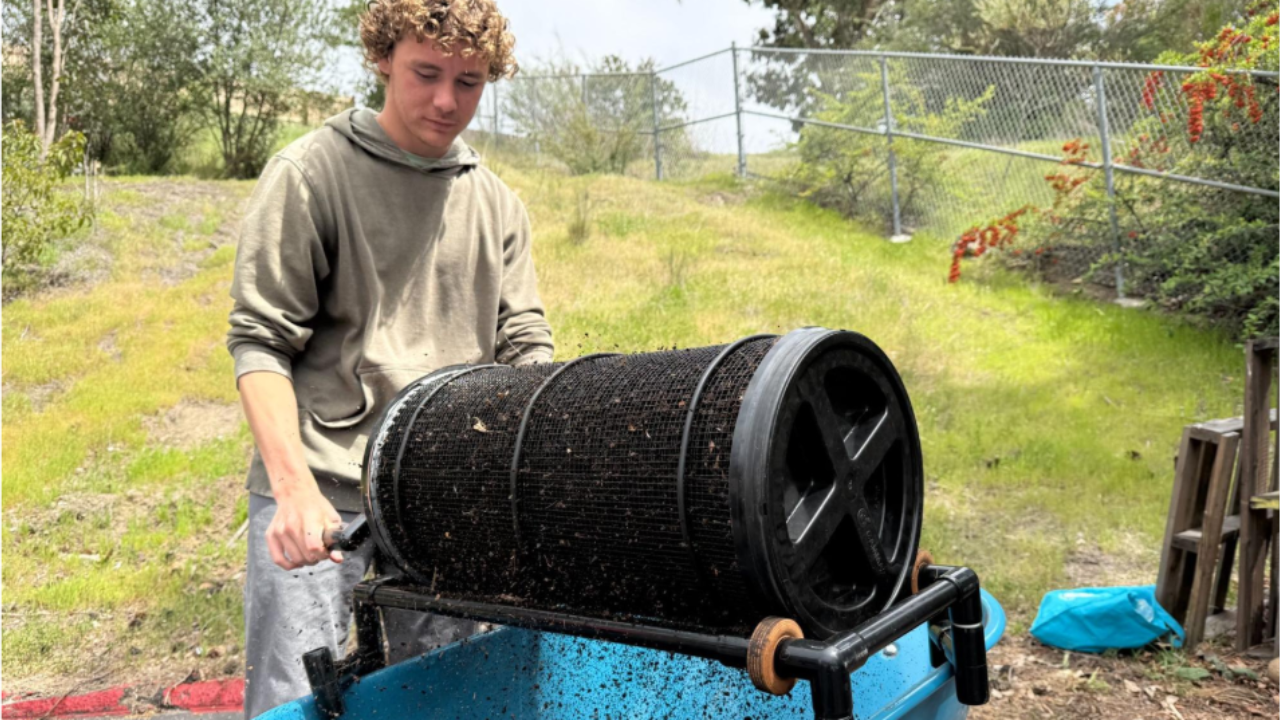
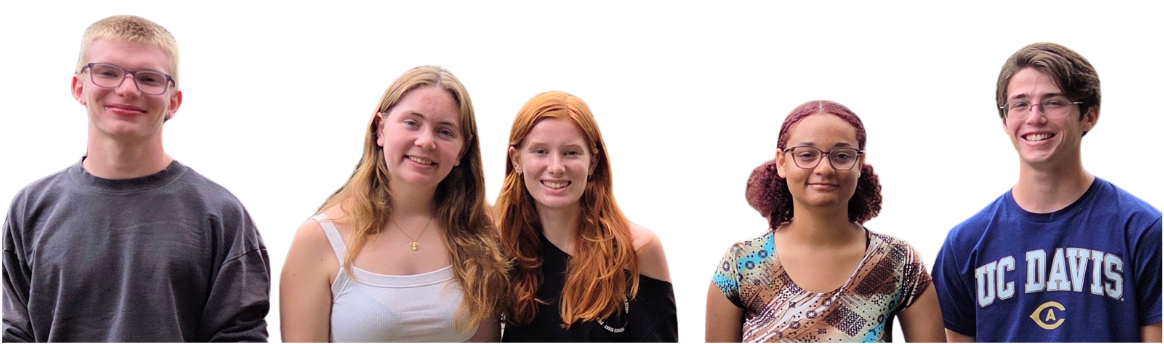
At Patrick Henry High School, in San Diego Unified School District, California, a handful of seniors accomplished something most people think takes a whole task force: they turned cafeteria trash into a district‑winning recycling program. No capes, no titles, just small roles on repeat until everyone else followed along.
The school hit a 57% diversion rate and less than 1.4 cubic feet of trash per student per month, and it didn’t happen because someone gave a speech once. It happened because a few students kept showing up, saying the same things, and making it ridiculously easy to do the right thing.
Sarah Montpetit explains that for her, the first step was simply letting people know what was going on. At a school of 2500 students, she says it’s “important that people know what you're doing and why you're doing it.” She noticed that a lot of students didn’t even realize how environmental their campus was or how much people cared about recycling and compost. So she leaned into “talking to other students” and sharing what she’d learned from teachers and friends in the club.
Jasper Gough focused on removing excuses. He says a huge part of their success was just “making things really easy for your average student to do things without making too large of a change.” On their campus, that looked like worm bins near where people actually ate. Instead of hunting for the “right” bin, students could just dump compostable items in a clearly labeled spot. Because “information that's clearly presented to students makes it easy for them to start doing little things and changing small habits to make a bigger change in the end.” In his words, “all those little things, all the individual people who do something, end up making that big percentage.”
Julia Lockwood backed that up with visuals. When the cafeteria explored compostable silverware, students didn’t just see forks; they saw posters right behind them explaining that the utensils were compostable and why the school was doing it. Periodically, the weekly student Patriot Broadcast includes reminders like, “Hey guys, we have recycling bins. Please use them correctly. This is what you should be recycling.” With such a huge student body, the goal isn’t deep lectures, it’s simple, repeated cues in the right place at the right time.
The school’s broadcast class helped boost visibility with fun, student‑made segments. Jasper notes they film new segments every week, and when they do include sustainability, it matches what’s currently happening on campus. Julia says they lean into skits and dramatized recycling bits because “it makes it more fun.” Jami Paige points out that the show is made by students for students, which helps it land better than another adult voice telling everyone what to do. But even they’ll tell you the broadcast isn’t the main character here, it’s just the microphone.
Day to day, the real change came from modeling. These seniors ran the Community Service Club and Environmental Club, worked the campus thrift store, and kept up a cafeteria compost routine four days a week. Jami was the lead student, popping into the cafeteria after lunch Tuesday through Friday and showing up to fifth period a few minutes late because she was hauling green waste instead of just her backpack. From there, the buckets went to Mr. Pruden’s class, where students added them to the school compost that afternoon or the next morning before school and handled the spinning and flipping of the piles. In Ms. Dickens’ class, Isaac LeMay helped manage the worm bins, turning food scraps into a living example of what their efforts could become. They acted like sorting waste and composting was just what you do at Patrick Henry. When enough leaders treat something as normal, everyone else starts to assume it is.
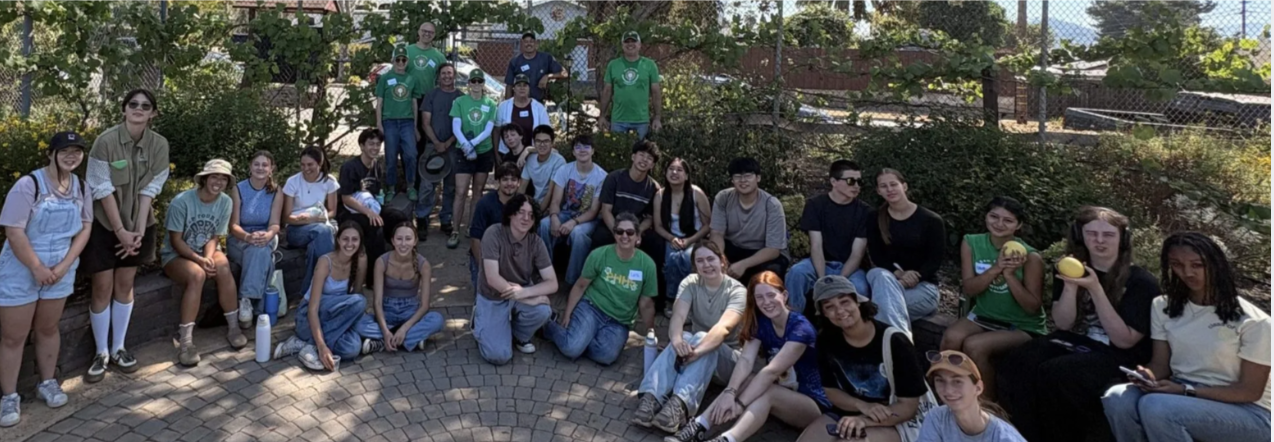
Those habits didn’t stay inside the school walls, either. Isaac LeMay talks about how getting off campus actually strengthened their school culture around the environment. In AP Environmental Science, students took trips to places like the San Carlos Community Garden and a nearby farm, doing compost, cleaning up, and learning as they worked. He believes that “direct community attachment helps a lot of kids that want to help the school environmentally be more green,” and that without teachers like Lara Dickens & Matt Pruden and those real‑world experiences, “we wouldn't really have it as strong as we might have.”
Behind the scenes, none of this would work without the adult allies. The cafeteria staff chose to separate food scraps instead of tossing everything together like they always had. Custodians started adding leaves and yard waste to the compost piles without being asked. Students built real relationships with them, making sustainability a shared project instead of a student club quest. When students, staff, and unsung campus crews line up around the same goal, the system starts doing the heavy lifting.
If you’re reading this and thinking, “We want that for our school, but we’re not there yet,” that’s kind of the point. Patrick Henry’s win came from a few students taking small, consistent actions and inviting classmates and adults around them into the work. You don’t have to wait for a district program or a fancy announcement to start, but you can take advantage of community partners who are here to support you.
Spotlight what your school is already doing through a Cafeteria Victories article, or kick off your own cafeteria sustainability journey with our Climate Action Lab leadership coaching program. Then grab some friends, talk to the people who keep your campus running, and see what happens when you all decide that “this is just how we do things here.”
Food is where our relationship with the Earth gets personal.
The choices we make create the lunchtime we experience. Are you having your ultimate lunchtime experience every day? If not yet, have you decided what problem in your school community's relationship with lunch you want to solve? Tell us about it and we'll find other schools who have a solution.
We will never sell your information, for any reason.