Whole Fruit And Fair Shares: Abhinav’s Share Table Bill
Jul 23, 2026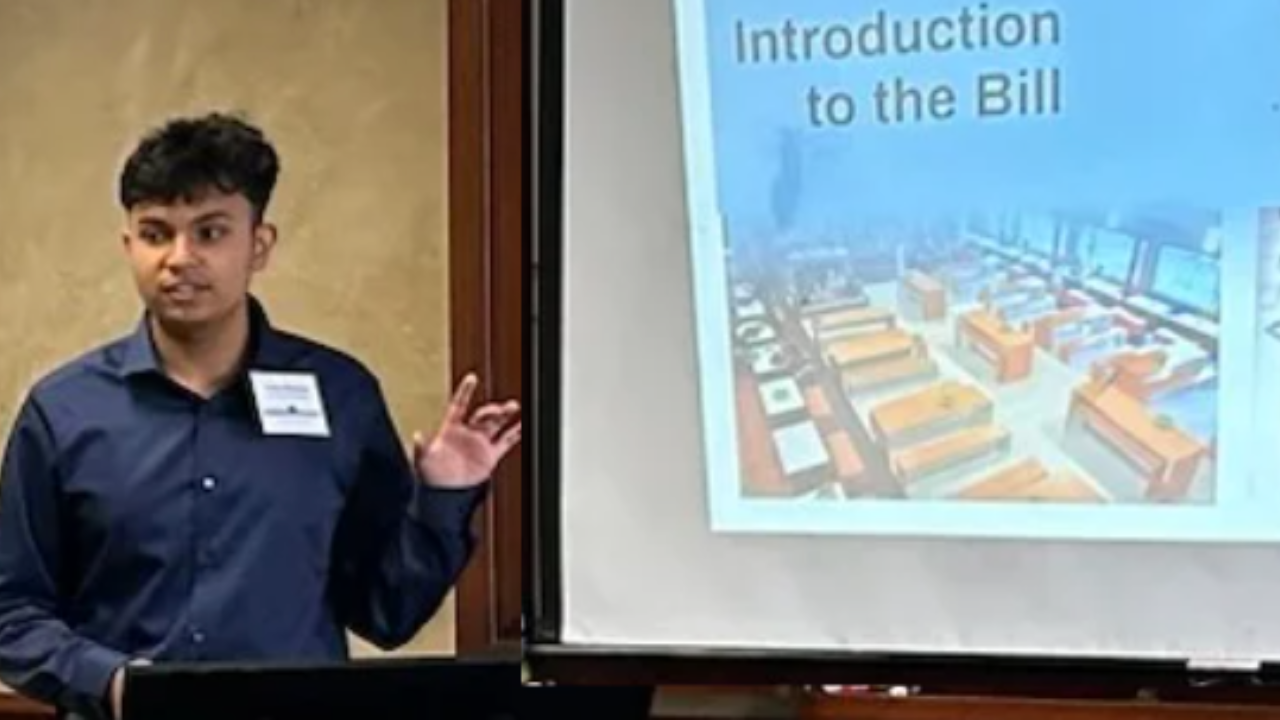
In middle school, Abhinav Deshpande saw a share table that actually worked. At lunch, students could leave unopened food like packaged fruits and vegetables on a clearly marked table, and other kids would grab what they wanted. With California guidelines requiring students to take a vegetable with their meal, there were plenty of carrots and fruit cups that might have gone straight into the trash. Instead, the share table gave them a better destination.
“When I moved to high school,” he noticed, “I didn't see the share table being used as much. It was there, but it was in a secluded corner, and it was pretty much empty most of the time.” The difference showed him something important: share tables can solve a real problem, but only if they’re easy to find and everyone understands how to use them. He observes, “People see there is a share table, but without seeing how other people are using it, they don't really know exactly what to do with it.”
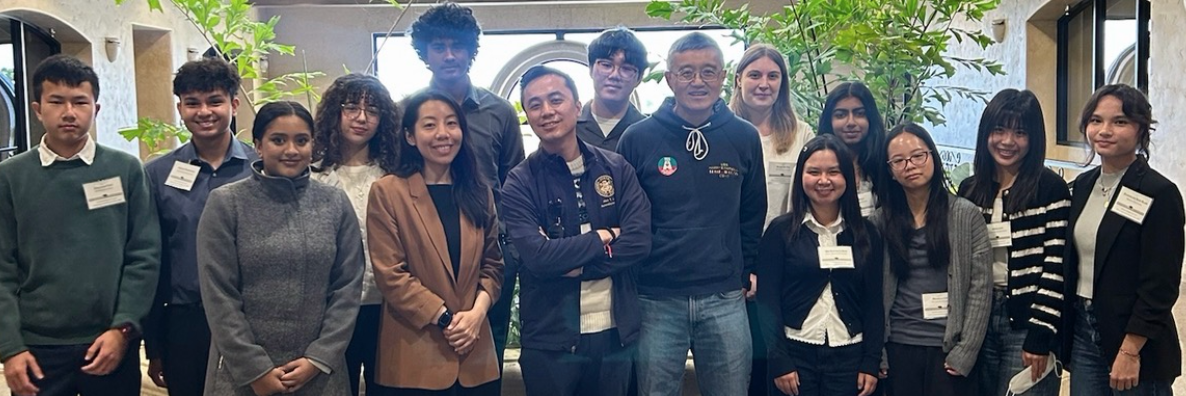
Abhinav is now a junior at Mission San Jose High School in Fremont, California. He joined California Assemblymember Alex Lee’s Young Legislators Program, a two‑month summer program that teaches youth about the state legislative process and helps them build real advocacy skills. Students spend a few hours each week in educational sessions, identifying a problem in their community and then creating and submitting a bill proposal to solve it.
After the program, Abhinav connected with allies like StopWaste. These partners helped him understand what had worked in other places. His next step is to find a California Assemblymember or Senator to sponsor and introduce his bill, and he’s already recruited Nick Lapis from Californians Against Waste to help him track down the right person. “Anyone can have a good idea, but Abhinav really thought through the practical details of how this could be implemented within the existing educational bureaucracy, giving students across the state a clear starting point for taking their own small steps to support it and showing legislators how the proposal will benefit those who will be most impacted.”
His bill is called the “School Share Table and Food Recovery Act,” an act to amend Section 49581 of the California Education Code, relating to the Food Recovery Program. At its core, the bill focuses on something simple and specific: a share table.
In the bill, a “share table” means a designated location in school cafeterias where students can place uneaten, unopened, edible food and beverages from the school meal that they choose not to consume, for other students to take at no cost. The bill would require every K-12 public school cafeteria participating in the National School Lunch Program or School Breakfast Program to establish and maintain at least one share table in each cafeteria or meal distribution area during regular meal and snack service.
Abhinav explains that he was very deliberate about how much his bill asked schools to do. It only requires a share table in the cafeteria to minimize extra work for staff, but in practice he encourages schools with various eating areas to set up additional collection sites in other locations when they’re ready for it.
His focus on food didn’t come out of nowhere. Before the bill, Abhinav volunteered with Kids Against Hunger, packaging meals that can be prepared with just boiling water, to be sent to refugees and people hit by natural disasters, like the 2025 fires in Los Angeles. “This experience pushed my focus towards food policy specifically.”
For other students who might want to work on legislation, Abhinav recommends starting with problems that actually touch your own life. He points out that all 50 U.S. states have similar civic engagement opportunities for high school students. If you live in another state and want to submit legislation, he suggests starting small and reaching out to local organizations. These allies can help you connect with people who have more knowledge and more connections. He adds that “You don't need to come up with a completely new idea. Look for policies that have already been enacted in other states that you would like to see enacted in your own.”
He’s also honest about the mindset it takes. Abhinav admits, “Oftentimes we are our biggest critic, and that is a good thing, but it shouldn't be the only thing.” Instead of staying stuck in your head, he advises, “Speak to the people around you because they'll have more insight and help you shape your ideas to help you move forward. Don't get too caught up in your own head.”
Abhinav now knows that writing the legislation is just one stage of the process. Once his bill has a sponsor, it will need to gather public support, and he wants that process to feel possible for more students. When it’s time for implementation, he recommends “Taking small steps, starting off with a small tangible change and then increasing it.” For him, “Just the fact that we're saving some food from going to waste is a huge win.” That balance shows up in how he talks about support too: “It's important to know when to ask for help, but also it's important to know what you yourself are capable of.”

If you’re reading this as a high school student, Abhinav’s story isn’t meant to sit on a pedestal; it’s a mirror. You can help move cafeteria sustainability policies forward, even if you’re not the one drafting the bill. Sharing personal stories and data you’ve collected from your own school, gathering signatures, or coordinating social media “days of action” where students flood phones and inboxes with calls and emails in support of a bill can be way more doable than taking a full day off to travel to the capitol.
Partner with Cafeteria Victories’ Climate Action Lab to design your campaign where your actions all point to the same cafeteria sustainability bill. The next step doesn’t have to be huge. It just has to be yours.
Food is where our relationship with the Earth gets personal.
The choices we make create the lunchtime we experience. Are you having your ultimate lunchtime experience every day? If not yet, have you decided what problem in your school community's relationship with lunch you want to solve? Tell us about it and we'll find other schools who have a solution.
We will never sell your information, for any reason.