How to Get Your Cafeteria Sustainability Ideas Heard by the School Board
Jul 31, 2026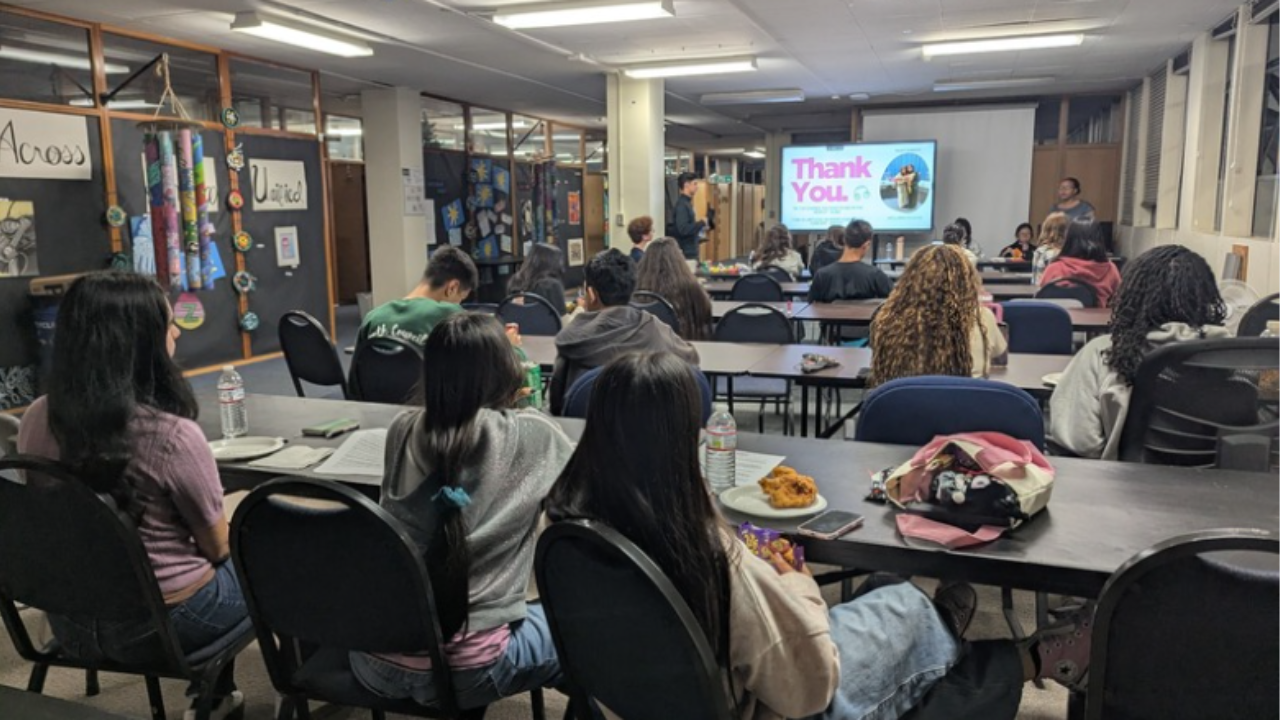
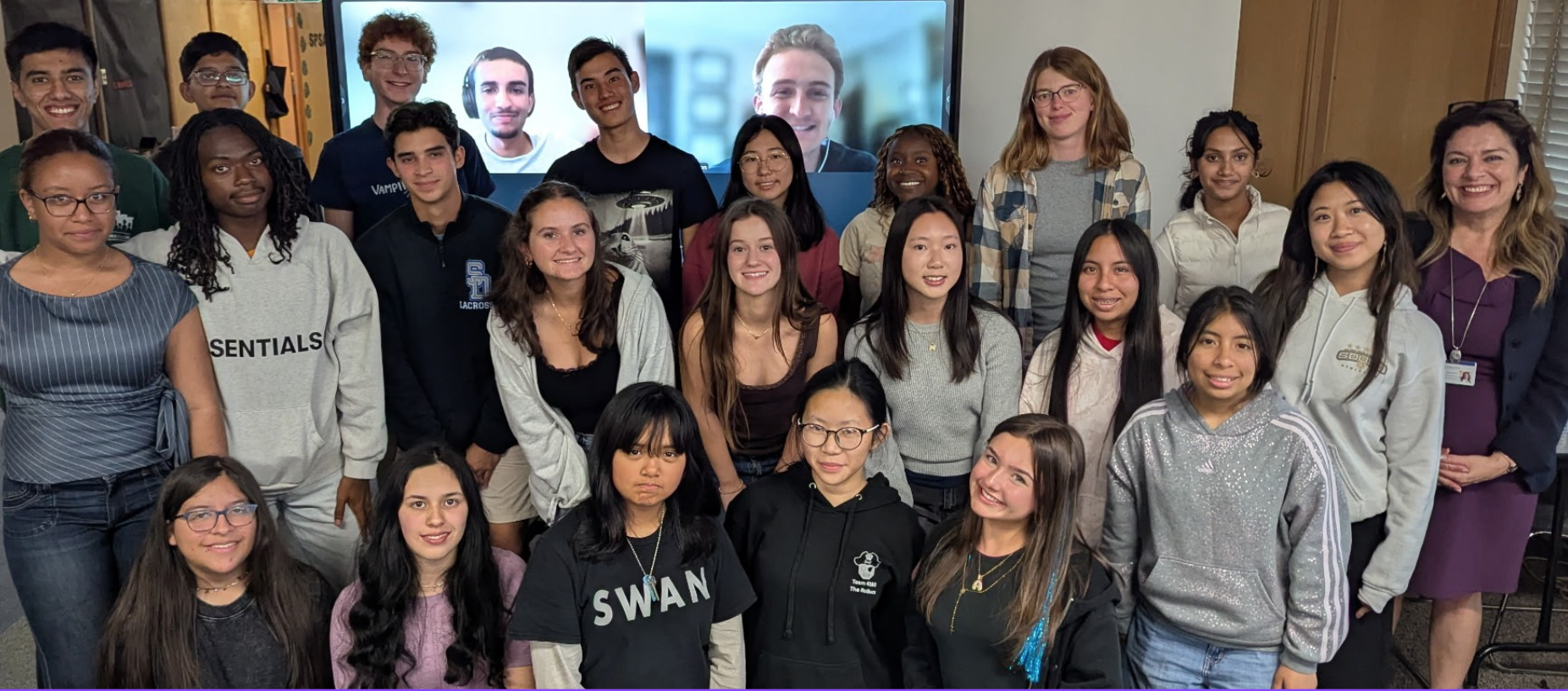
During her junior year at University City High School, Ashley Ordaz served as a student board member for the San Diego Unified School Board. While she cared about politics and government, she also paid close attention to what was happening on students’ lunch trays: how much food was actually being eaten, how much ended up as waste, and what could be improved.
Cafeteria Victories wants you to be able to do the same thing in your own district: turn the food habits you see every day into real change, right where you are.
How Districts Prioritize Competing Values
Ashley learned quickly that district decisions aren’t random. "What I learned the most from being on the board and seeing decisions being made is that a lot has to do with what is affecting the majority of students," she noted. The board looks for common issues and identifies which groups of students are being impacted the most.
Public comment is her favorite part of board meetings. Staff and community members step up to the mic, and "that is very important and heavily weighs on what the district ends up choosing." While the student board members and trustees cannot respond in real time, they take notes, and the superintendent relays that feedback to the relevant departments.
She also receives input from the Student Advisory Council, a committee of middle and high school students that shares perspectives, opinions, and concerns regarding agenda items. This committee maintains communication between students and the district's administrative and policy-making bodies. In one meeting, students shared which foods they liked and disliked and which ones frequently ended up on the floor. This specific information helped Ashley understand how cafeteria issues could be framed as a majority concern rather than a personal complaint. She also researched which issues had previously been raised with the board.
For Ashley, much of the conflict stems from a lack of information rather than actual disagreement. "It’s just miscommunication. People just don’t know enough," she explained. Consequently, she encourages students to monitor agendas, attend board meetings when possible, or watch them live online.
Turning Cafeteria Sustainability into a "Majority" Issue
To make your cafeteria sustainability ideas matter at the board level, you must demonstrate that they affect a significant number of students.
Ashley collaborated with nutrition services to collect data over a month regarding what foods students actually ate and how much was discarded. Interested in composting and food waste, she monitored leftovers, particularly the fruits students were required to take but often did not consume.
She later summarized one of the primary challenges: "I know that one of the biggest issues is that kids just don't know what to do with compostables. Some kids don't even know what composting is." Her goal is to "build a model of what we want kids to understand" about composting and food waste. This aligns with the district's efforts to comply with California’s Organic Waste Law, which mandates composting and edible food recovery.
If you are evaluating your own cafeteria, start by observing:
- Which foods regularly end up in the trash.
- Which fruits are eaten and which are consistently left behind.
- Where the majority of students eat and discard their lunch waste.
Regarding waste reduction, remember that under "Offer Versus Serve" guidelines for the National School Lunch Program, milk must be offered but does not have to be taken for a meal to be reimbursable*. Declining milk if you do not plan to drink it reduces waste at the source and lightens the custodial team's workload.
Cafeteria Victories also recommends gathering input from those who see this waste firsthand: food service workers and custodial staff. Asking what they notice and what would help makes them allies in your campaign rather than feeling like the target of your efforts.
Building a Campaign and Preparing a Board-Ready Story
Ashley describes her advice for middle and high schoolers as a ladder.
"You have your adult, you have your group of kids, and what you have is drive and determination. That is enough to take you wherever you want to go." From there:
- Start with communication. Articulate what you care about and why. For example: "We want reusable serviceware" or "We want clearly labeled compost and recycling bins where students eat."
- Grow your involvement. Inform others of your plans to gain early feedback and build a network of allies.
- Pick one primary issue. For cafeteria sustainability, this might be enough time to eat, food rescue, or plastic serviceware.
Use your resources effectively.
- If you’re in middle school and there’s a high school across the street with a sustainability club, go to your high school and ask, “Hey, I want to do this at my middle school. What should I do?”
- Reach out to organizations that host sustainable events and ask how they did it.
- Use district communication channels to share flyers, videos, and social media posts.
When you’re ready to present your ideas to the board (or to a Student Advisory Board if your district has one), turn what you’ve learned into a story that fits their logic:
- Show how many students are affected
- Share data from your cafeteria (what’s eaten vs. wasted, how many plastic forks get sent to the landfill by the district in one year- you can get this from the number ordered)
- Clearly explain what you want to change and why it matters for student health, equity, and the environment.
Using Ashley as a Resource (and finding your own)
Ashley doesn’t just talk about student power in theory. “I am also a big resource as well. I still have one more year here with the district as a senior. So, definitely reach out to me if you have any things that you currently want to work on right now.”
If you are in the San Diego Unified School District, you can connect directly with her and the systems she helped establish. Elsewhere, look for a student board member, student advisory board, or representative committee in your own district.
Ashley’s Final Advice: Take Action
Ashley wants students to recognize their influence: "You can literally do absolutely anything, especially in a school district... the district exists to serve you." She reminds students that the education system provides the foundation for their future: "It all starts with your education. That’s the beginning of your platform."
She also encourages students to act on their ideas: "If you can’t go to sleep because you wish you did that one thing, you did something wrong, and what you did wrong is not doing it. Do it. Be ambitious. Be hungry. I wish people were doing more things out here. Let’s all do it together."
If Ashley’s story has inspired you to improve your school’s food scrap collection or share tables, take action. Amplify your school’s successes through a "Spotlight Our School" article, seek support through Climate Action Lab, or enhance an existing campaign in Green Team Strategy Sessions to ensure your next board decision is rooted in cafeteria sustainability. All Cafeteria Victories programs are facilitated online and open to schools nationwide.
*Note: Milk must be offered, but it does not have to be taken as long as you take other required food components.
Food is where our relationship with the Earth gets personal.
The choices we make create the lunchtime we experience. Are you having your ultimate lunchtime experience every day? If not yet, have you decided what problem in your school community's relationship with lunch you want to solve? Tell us about it and we'll find other schools who have a solution.
We will never sell your information, for any reason.