Creative Ways to Pull Classmates into Climate Action
May 21, 2026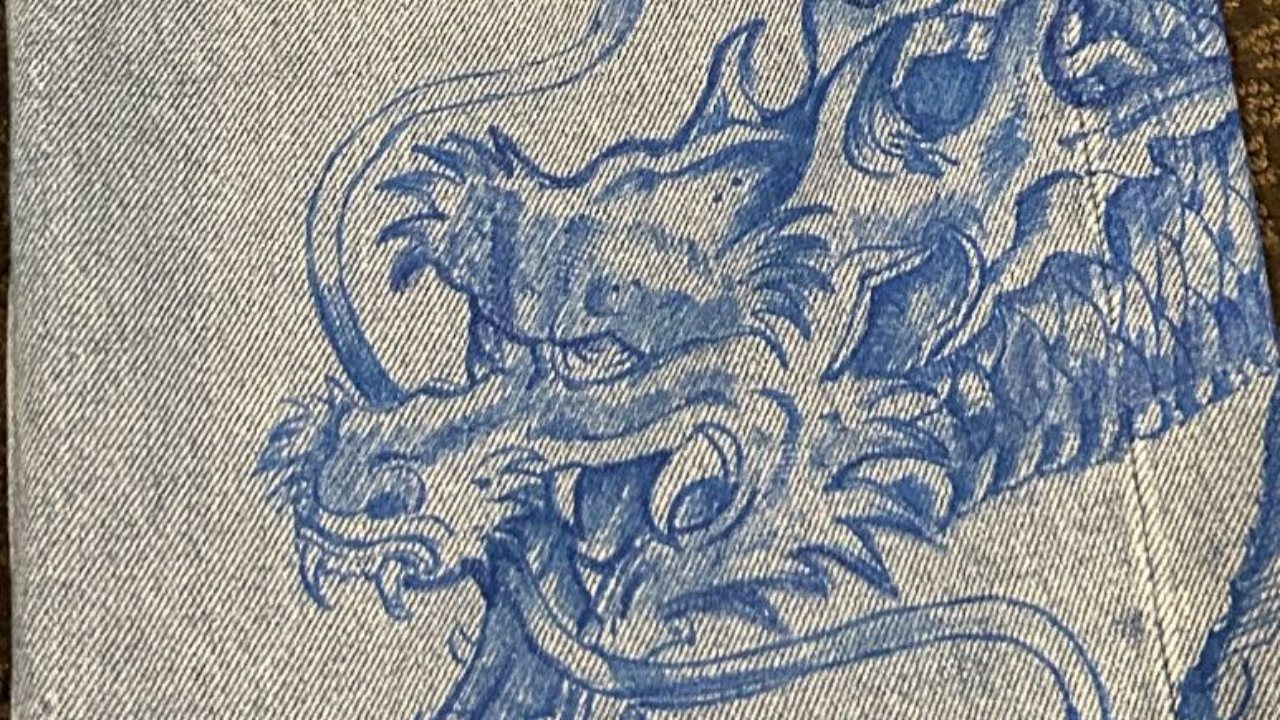

Jeana Jung didn’t start out trying to win an award or become an activist. She just wanted to make art. Before graduating from Reedy High School, she served as Communications Officer for Project Green Schools’ National Youth Council and helped lead her school to receive the Green Difference: Creative Conservation Award for an eco-art competition.
“Art has always been a way to express myself and my feelings and just put my message across. Art is such an easy way to do that,” she says. As Communications Officer, Jeana uses digital design to create infographics and collaborates with the council’s animation artist to highlight events and their “Student Voices for a Change” podcast on social media.
Back at Reedy, she helped organize an eco-art project where students made art from trash and repurposed old clothes. She invited anyone in by lowering the pressure: “You don't need to create anything about the environment. Just use old stuff, repurpose your old things, use trash that you have lying around the house and make something fun.”
Collages from old magazines, thrift-flipped shirts turned into bags, and hand-drawn designs covered the walls of the main entrance hallway so students would walk past them every morning. Jeana was inspired by watching classmates stop, stare, and ask questions. The message was basically: yes, your old closet could probably start a movement too.
From there, Jeana kept using creativity as the front door into climate action. Reedy’s National Green School Society chapter ran a book drive where students donated books and textbooks. The chapter sold them to a local used bookstore and donates the money to organizations like Ocean Conservancy. Social media is how it all spreads: they announce projects online, design posters, and share why these causes matter. Jeana has seen that adding art to the mix pulls in people who might never sign up for a “typical” environmental project.
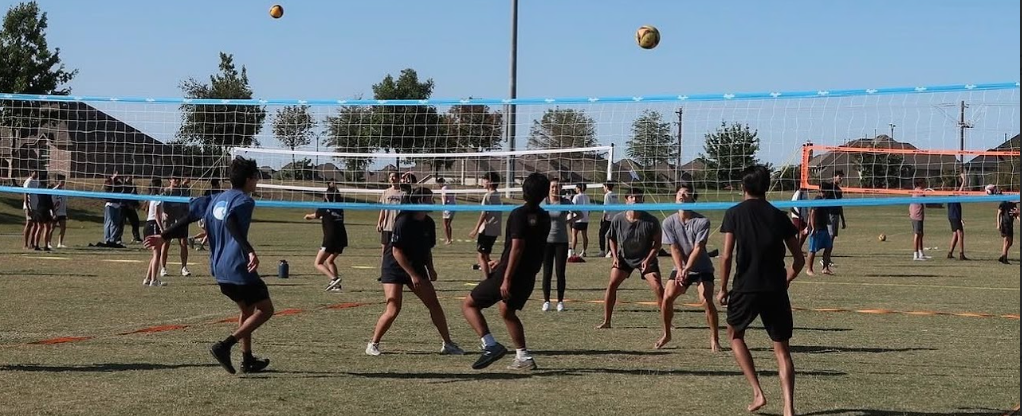
She also helped organize volleyball tournaments to raise money for organizations and hosted poster-making days with themes like polar bears and whales. Students created bold posters and infographics about “why they're important and what impacts humans have made with the whale populations.” Jeana kept it simple: ask a teacher for a room, grab markers and printer paper, and let everyone create. “So many people showed up,” she says. “It was just fun to see everyone's creativity shine.” For a lot of them, it started as a way to earn service hours and ended with them joining the club. Turns out “come for the hours, stay for the whales” is a pretty solid recruitment plan.
Jeana doesn’t do it alone. She taps into the art community at school, including National Art Honor Society and the regular art club. She asked friends who are officers in those clubs, “Hey, could you guys get some of your members to come? It'll be a very fun way to get service hours.” Around 10-20 artists showed up, many not knowing what NGSS was about, and then stayed. “It was so fun to see because then they became members of NGSS which was so heartwarming because I could tell that they actually cared and just didn't know where to start,” she says. Her strategy is simple: partner with clubs where people already care about creativity, then show them how art can care about the planet, too.
For Jeana, the fuel behind all of this isn’t just talent. It’s emotion. “I guess it's passion. I wanted to say kind of anger because I am angry for the environment,” she explains. She talks about noticing how fast the climate is changing, even in Texas, and how easy it is for people to brush it off as “natural” or “inevitable.” She disagrees. “We can truly make a difference and I think that's where passion comes through. I think you need to be passionate and driven to make a difference by saying something. I think that anyone can use their voice to make a difference.”
That’s also why she focuses on sharing experiences instead of arguments. Jeana says opinions can “bring people apart, especially, if they're seen as a bit controversial,” but stories pull people in. Instead of debating, she leans on what she’s actually seen: students crowding around eco-art in the main hallway, friends showing up to poster-making “just for service hours” and leaving as new club members, and classmates realizing they care more about the environment than they thought once they start doing something about it.
To her, communication isn’t about winning an argument. It’s about inviting people into something they can feel. When students see art “made out of trash” or hear about a friend’s experience at a cleanup or tournament, they’re not being lectured. They’re being shown what it looks like when someone their age decides to care. That’s the kind of peer influence she’s interested in.
Jeana wants other middle and high school students to know they don’t have to fit some perfect activist stereotype to start. She talks about how “artists just want to make art,” how starting a club with a few friends can feel terrifying, and how offering something simple like service hours or a fun project can be enough to get people in the door. Once they’re in, the projects and passion can grow together. To Jeana, being an activist just means using what you already love to make a difference where you are.

If Jeana’s story feels like your school or the kind of school you want yours to become, share her example with your environmental club, or be the person who starts one. You can Spotlight Your School by sharing your own projects, or, if you’re ready to turn cafeteria waste into your next art project (or tournament theme), jump into Climate Action Lab and get coaching to bring it to life.
Food is where our relationship with the Earth gets personal.
The choices we make create the lunchtime we experience. Are you having your ultimate lunchtime experience every day? If not yet, have you decided what problem in your school community's relationship with lunch you want to solve? Tell us about it and we'll find other schools who have a solution.
We will never sell your information, for any reason.